
Amusement Racers
Modern amusement racing started here. In 1969, Carter created Baja Raceway in Phoenix - the world’s first two-seat track.
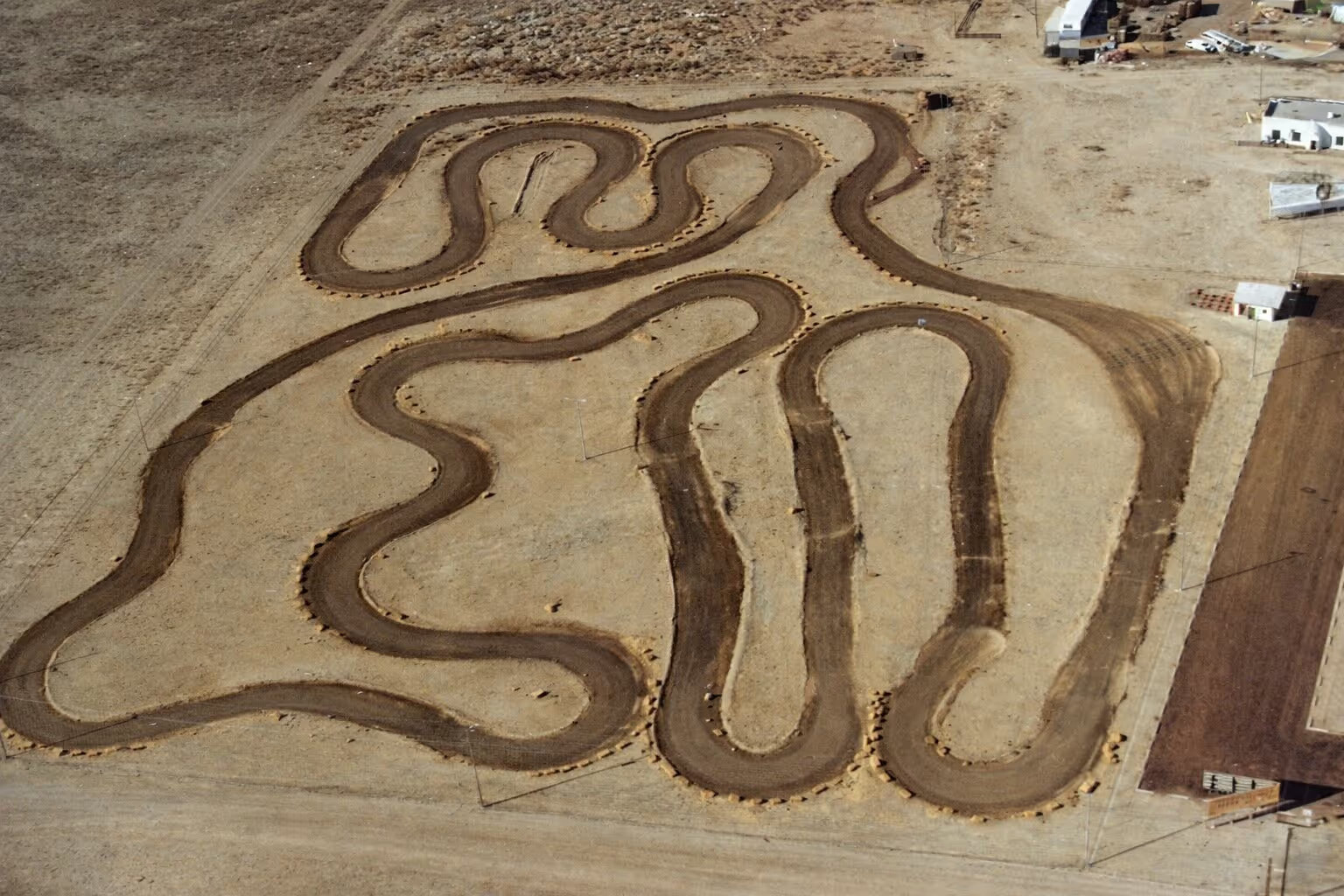
Carter’s first business was built on highly modified Red Baron ATVs. At Baja Raceway, a nearly one-mile dirt track, he proved that putting two people in the car didn’t just add fun, it more than doubled the market.
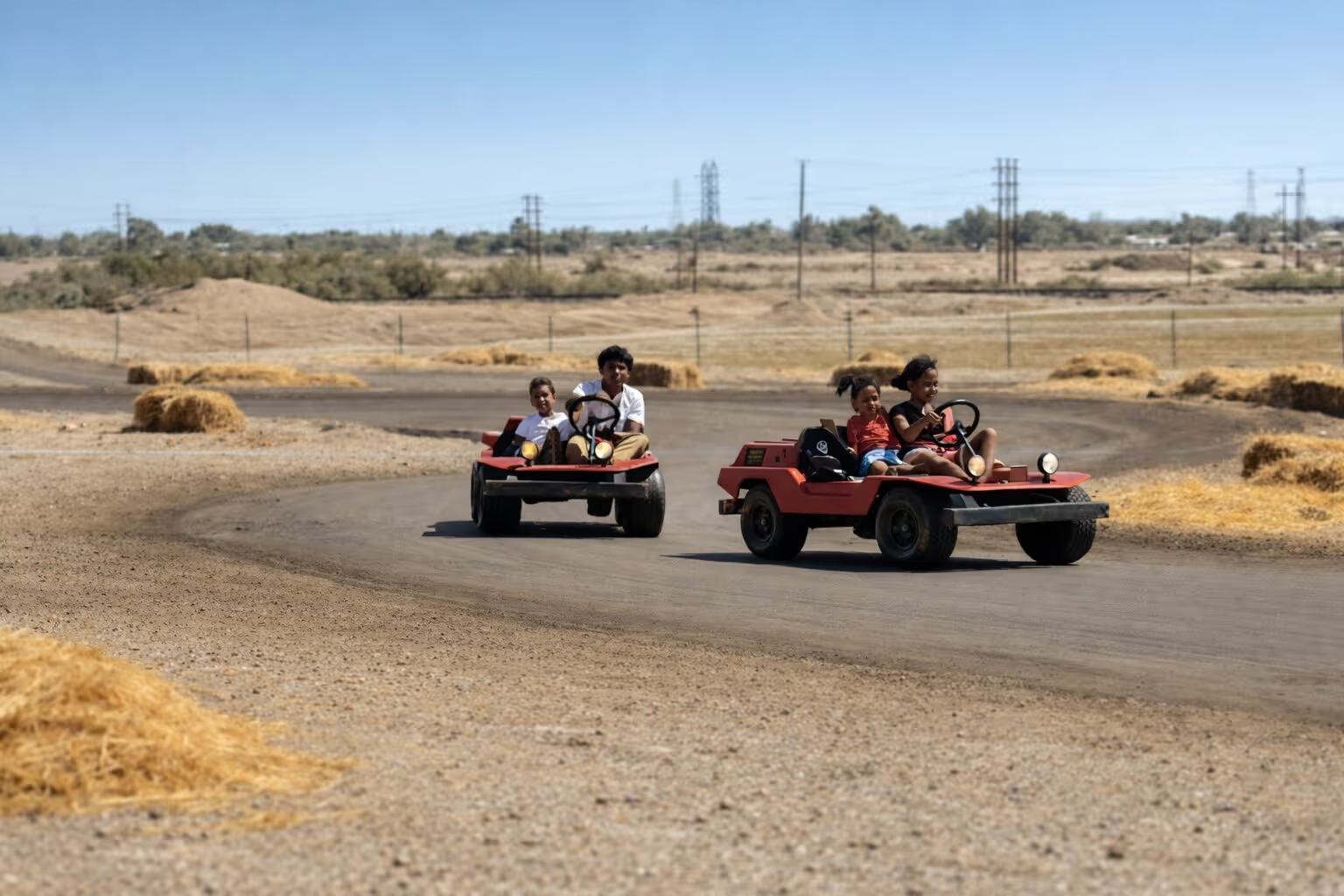
Baja operated successfully until 1978, when it was reconfigured to introduce larger, faster, and safer two-seat racers.
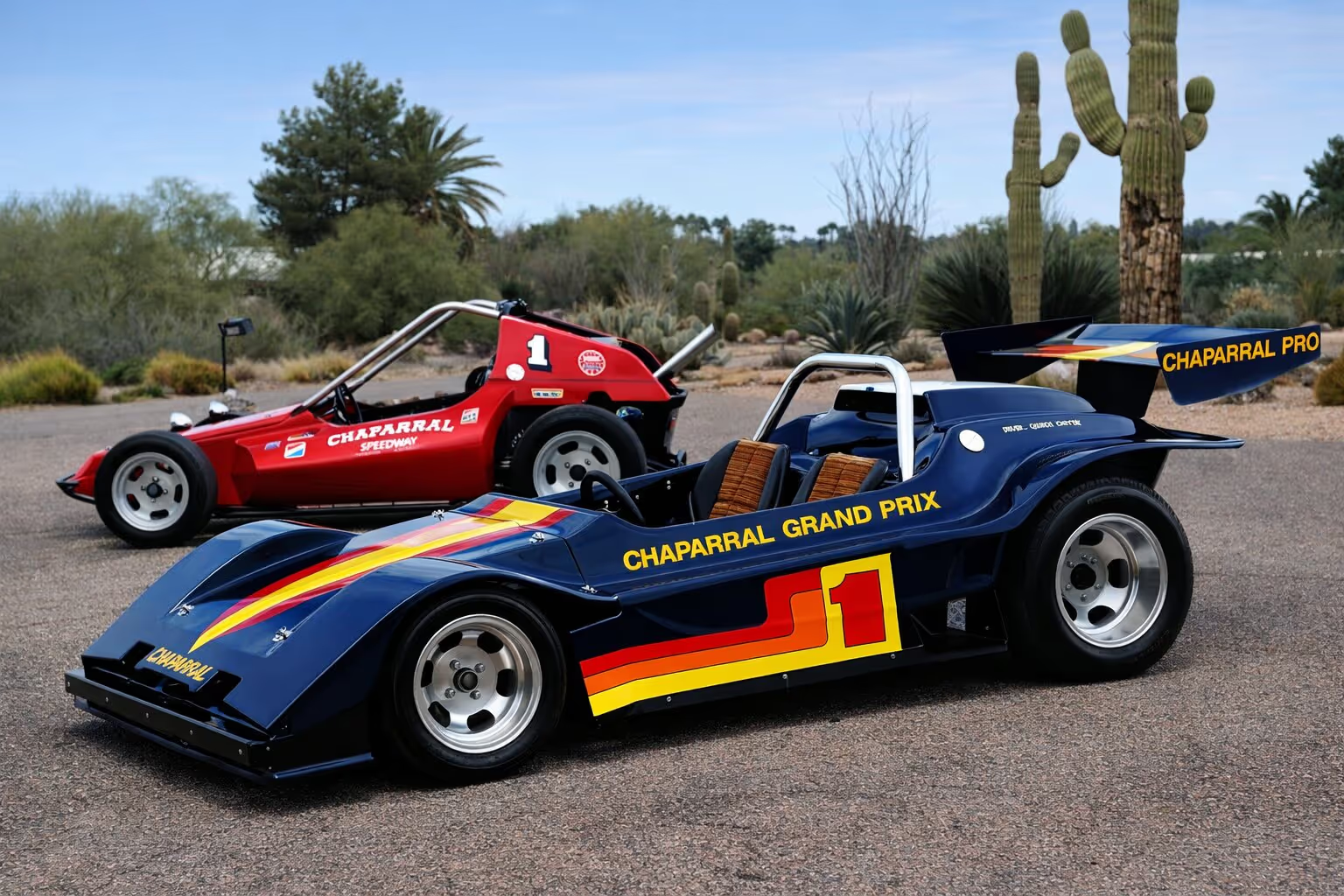
At Chaparral Speedway, Carter took the concept further - designing both a paved track and a purpose-built racing platform. These vehicles brought real engineering into amusement racing, with full-size automotive tires and wheels, a VW transaxle, pneumatic suspension, front disc brakes, and a 45 hp 2-cycle engine with torque converter drive. Two configurations were offered: the Sprint Buggy for general drivers and the higher-performance Chaparral Pro for those who qualified with faster lap times.
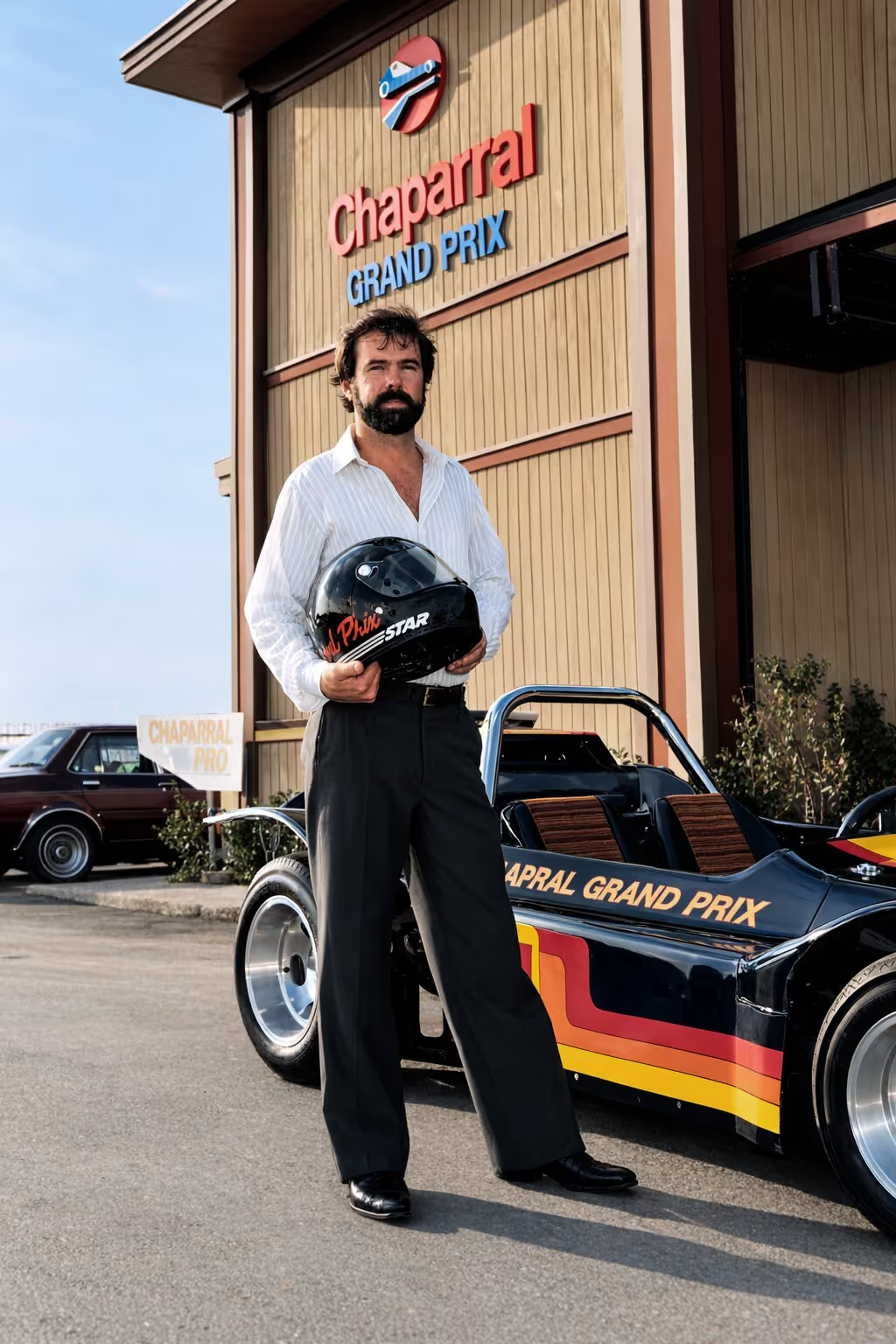
In 1981, Carter sold Chaparral Speedway and, with support from California investors, launched Chaparral Grand Prix in Dallas, Texas. Carter at the grand opening.
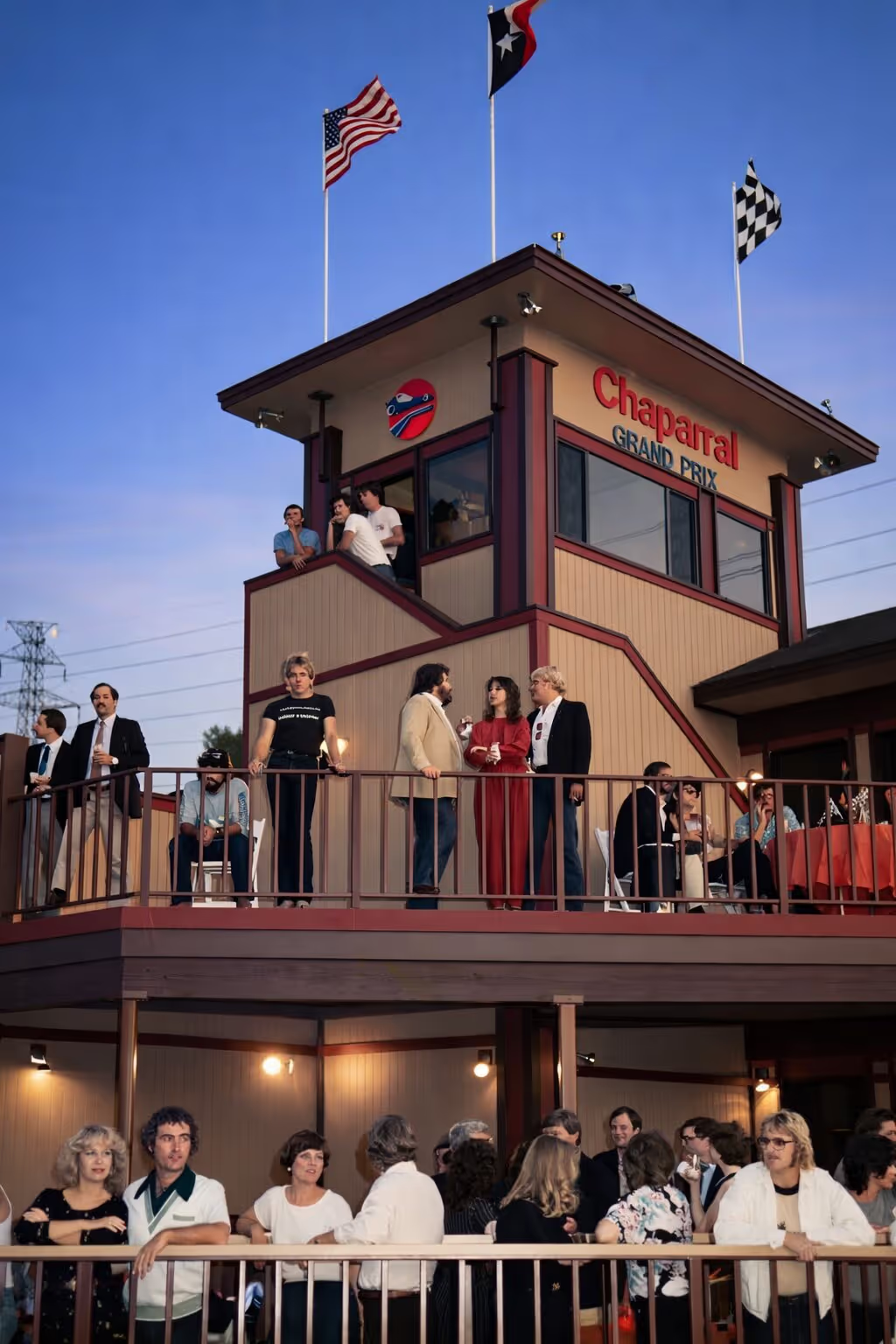
Chaparral Grand Prix observation deck and control tower overlooking the track and race operations - where spectators and race control shared the action.
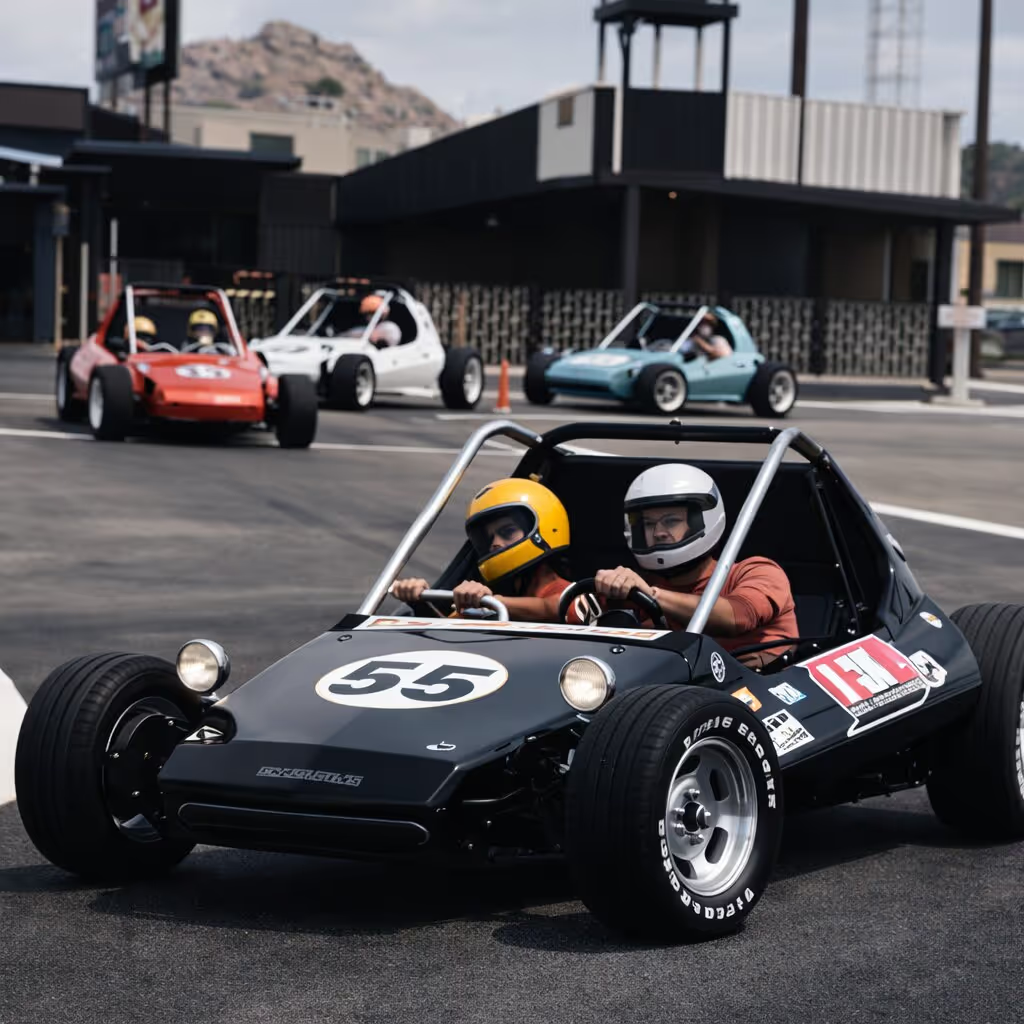
The 55 car dives into turn one while the orange car holds at the staging line. A CPU reads sensor loops in the pavement to prevent overtaking and tracks the finish line loop to display scoreboard lap times.
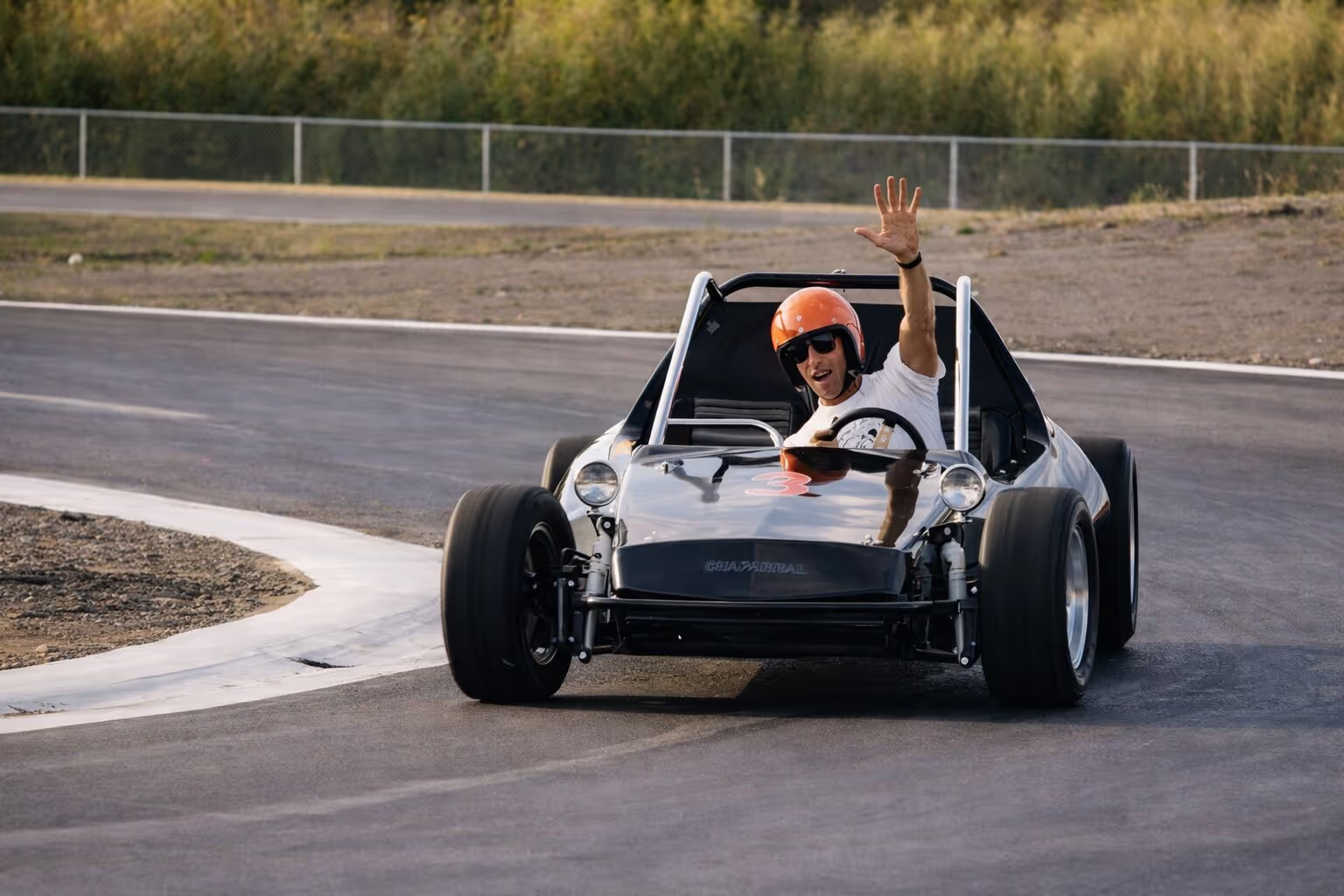
You can feel it. This lap’s going to be quick.
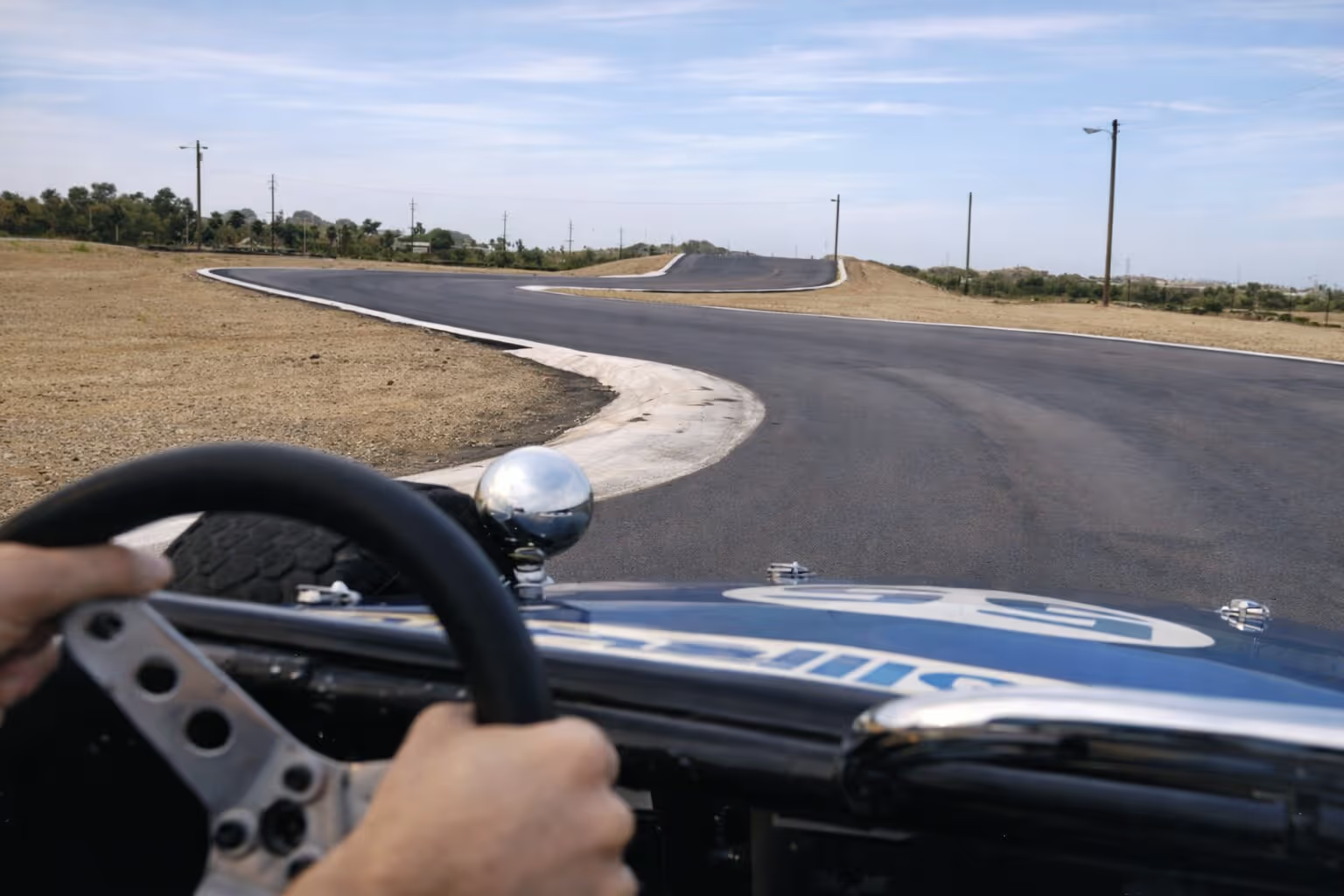
Passenger POV. The hill ahead crests blind on the backside—an unsettling moment for first-timers. Back in the day, gentlemen would bring dates out here and time the crest just right… a guaranteed way to get her attention.
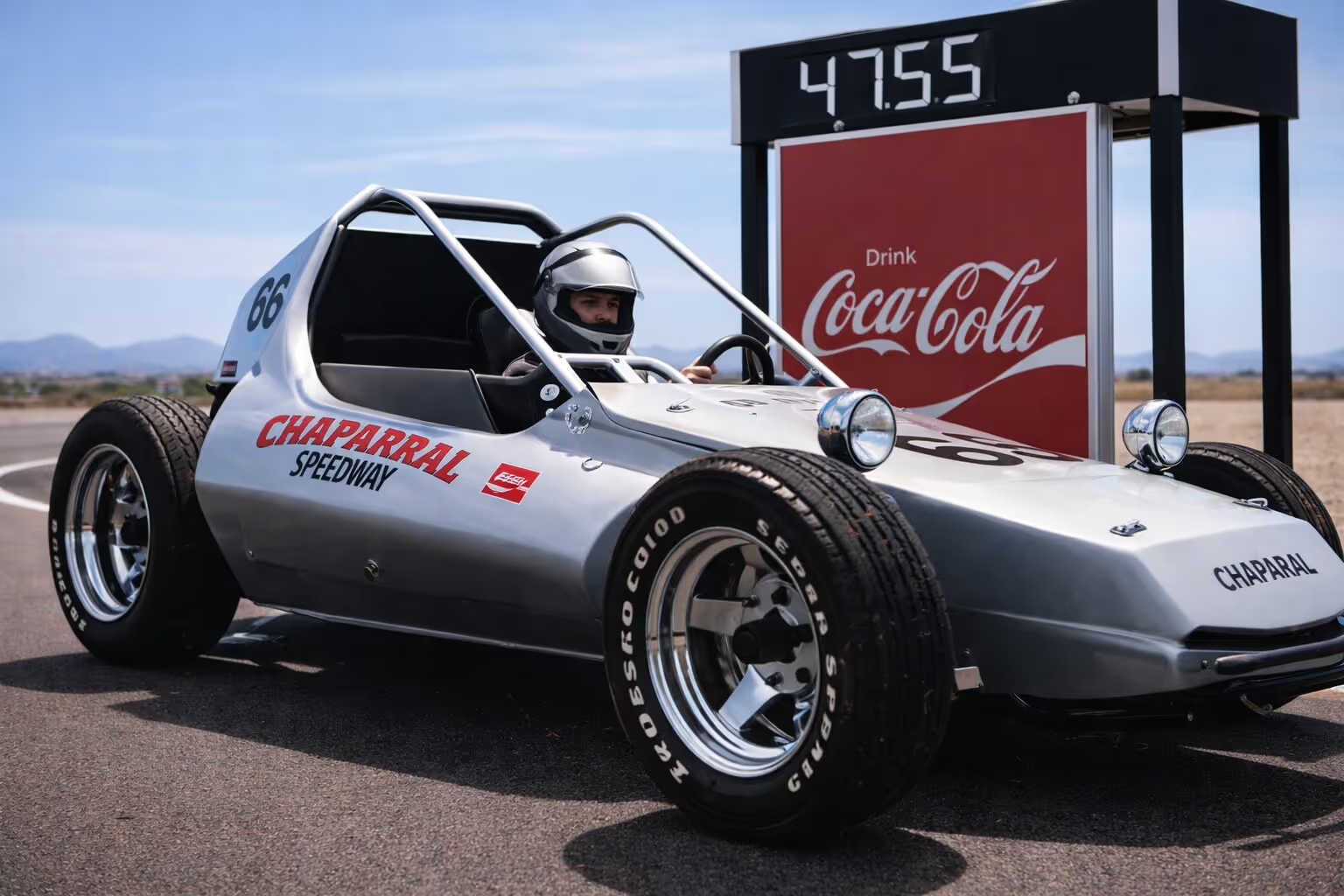
Lap times are clearly visible to both the driver and those waiting in line, providing immediate performance feedback. Anything in the 47-second range is considered fast.
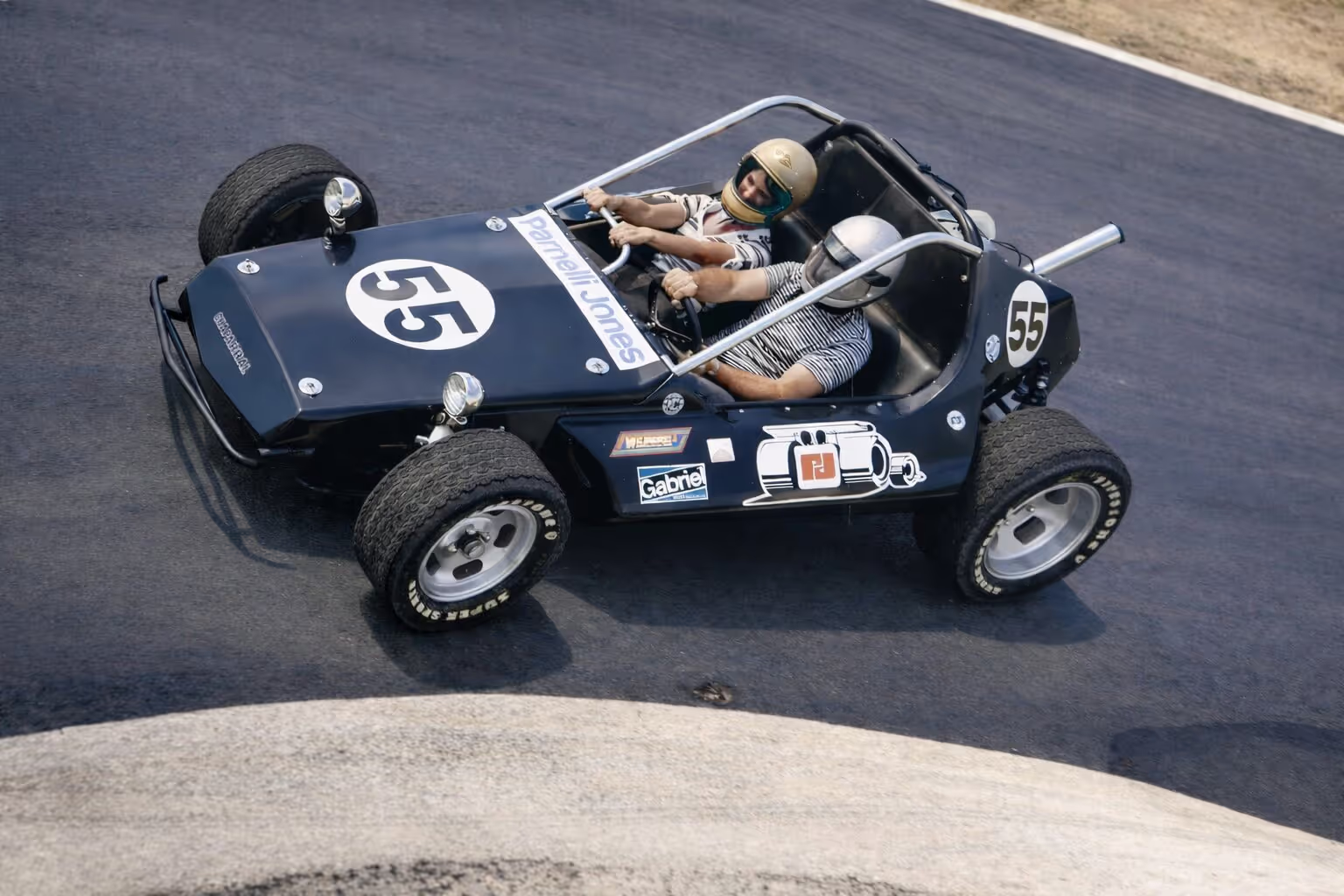
No camera trick here! This was the only highly banked turn of any amusement track. The car was sponsored by Parnelli Jones Tires. Jones, an Indy car and off-road racer, supplied all tires and developed custom wheels for the Chaparral cars, while sponsors like Wendy’s and Coca-Cola paid for logo placement.