
Off Road Projects
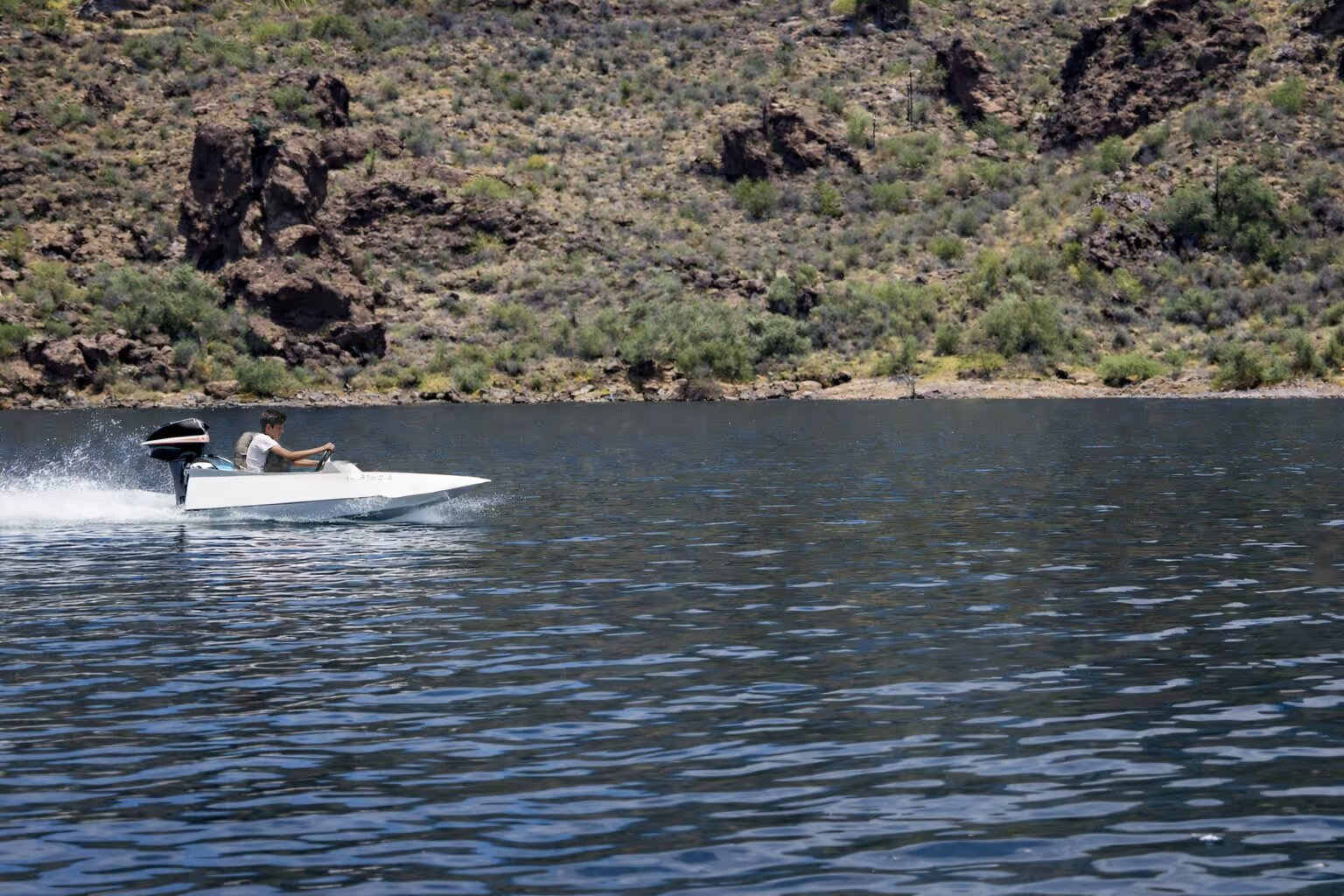
Hyrdroplane
At age 11, Carter didn’t just read Popular Mechanics - he built a fully functioning hydroplane from it.
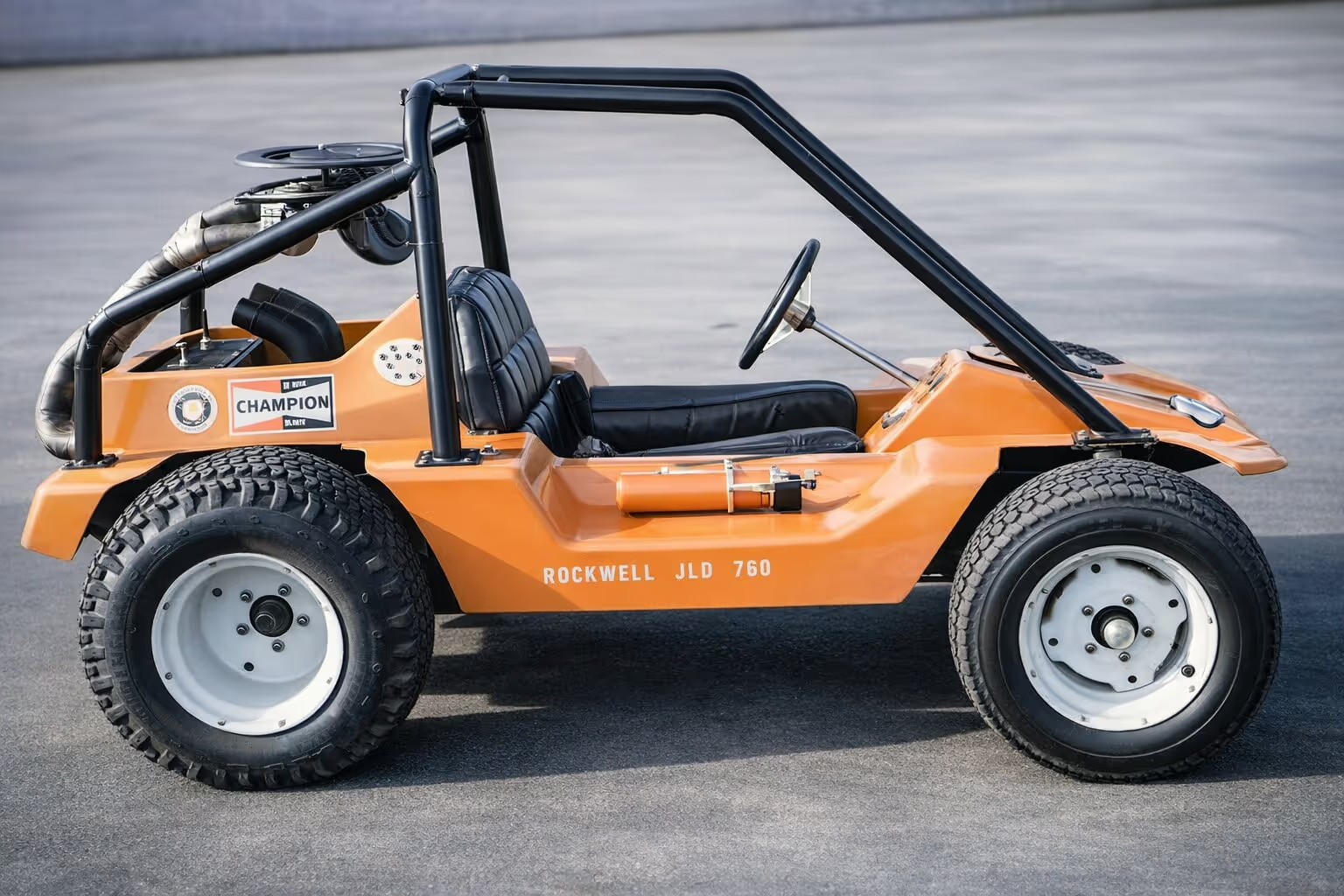
Flat-Track Dirt Racer
A lightweight dirt-track racer powered by a 60 hp snowmobile engine - an unconventional combination built for performance.
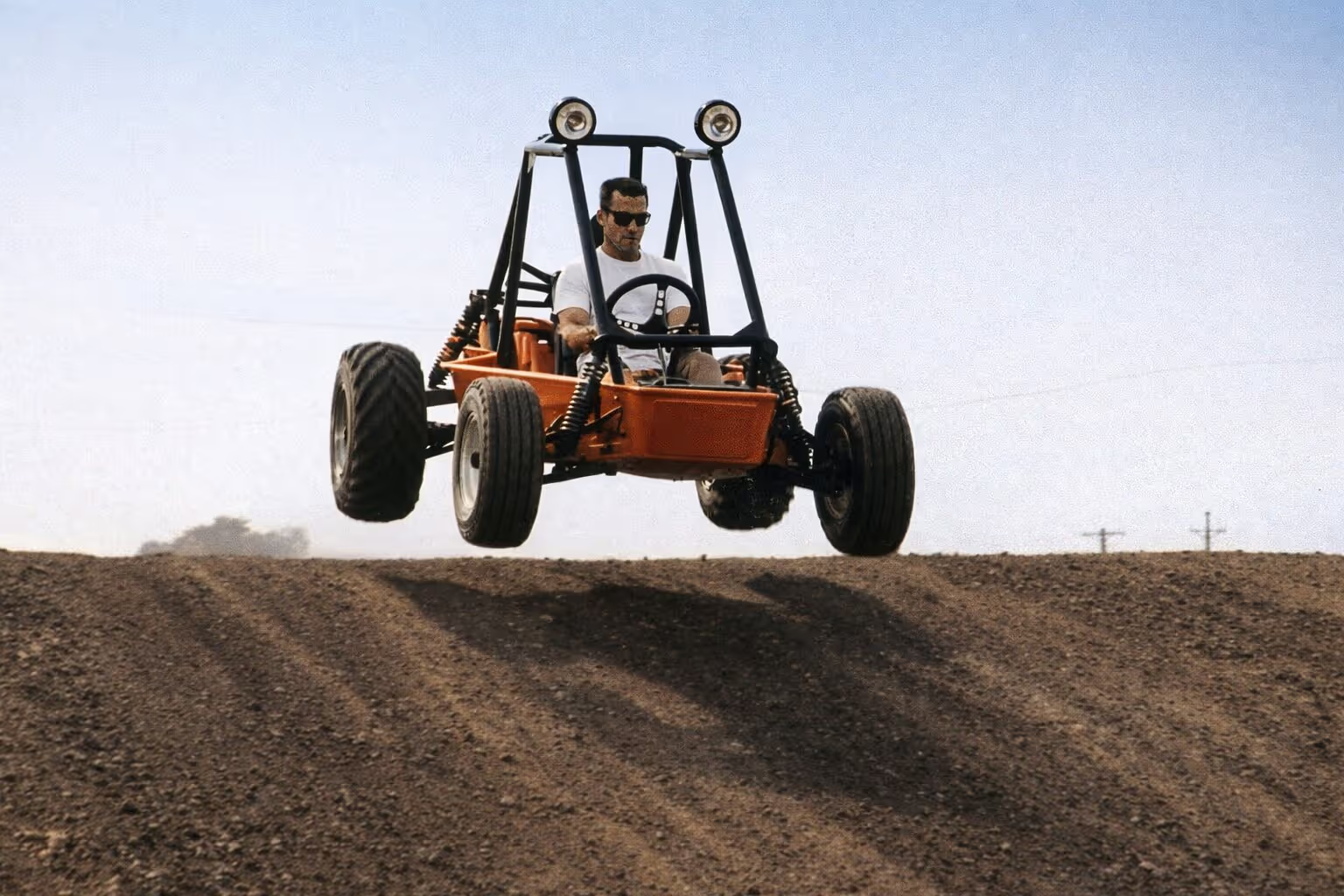
Hill Climb Racer
Lightweight desert racer that outperformed cars with twice the horsepower - and was exceptional at hill climb events.
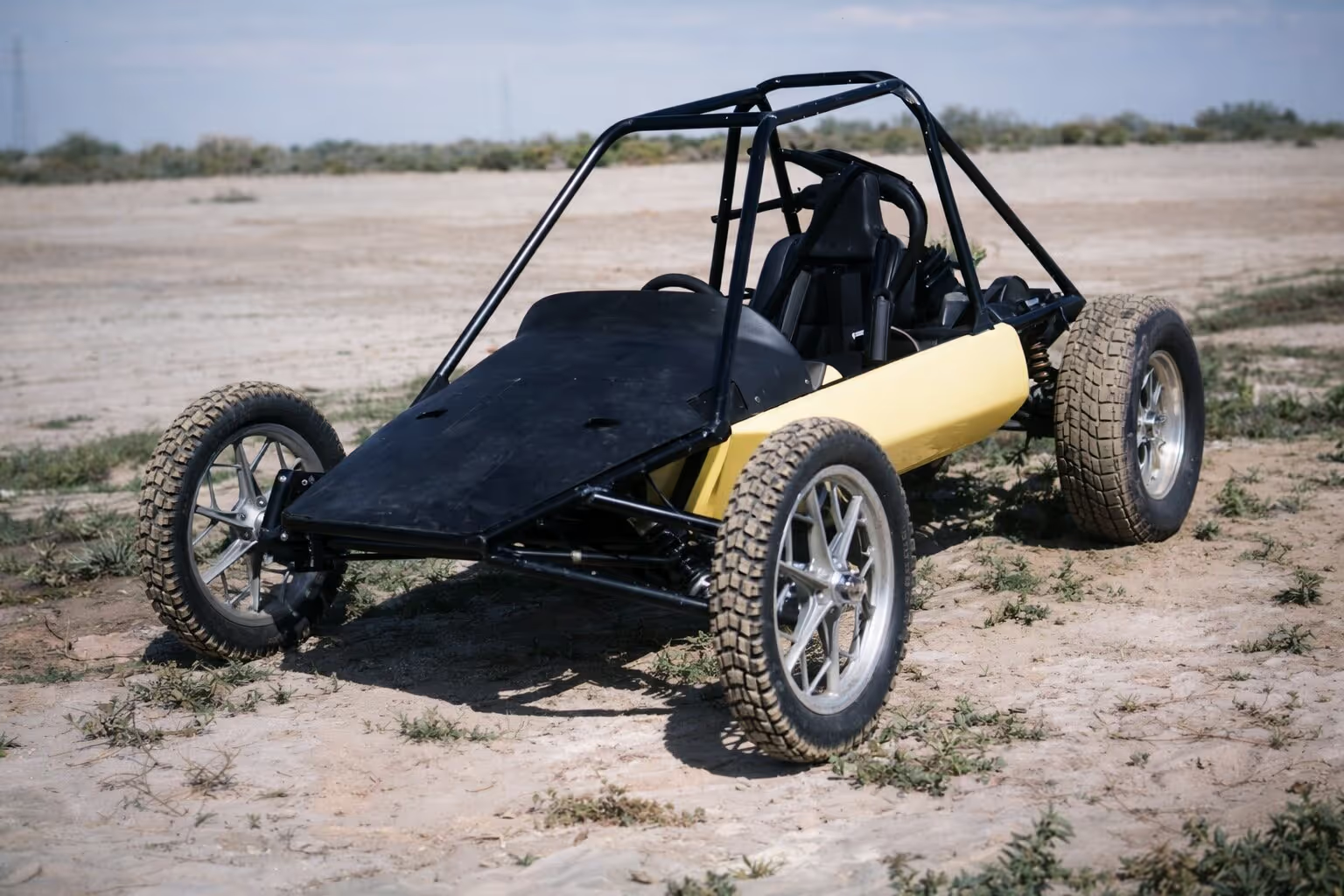
Ultra Light Off-Road Racer
Ultra-light desert racer with long-travel suspension and a two-cycle engine - quick, capable, and built to handle whatever the desert throws at it. Proven winner in Arizona and Nevada.
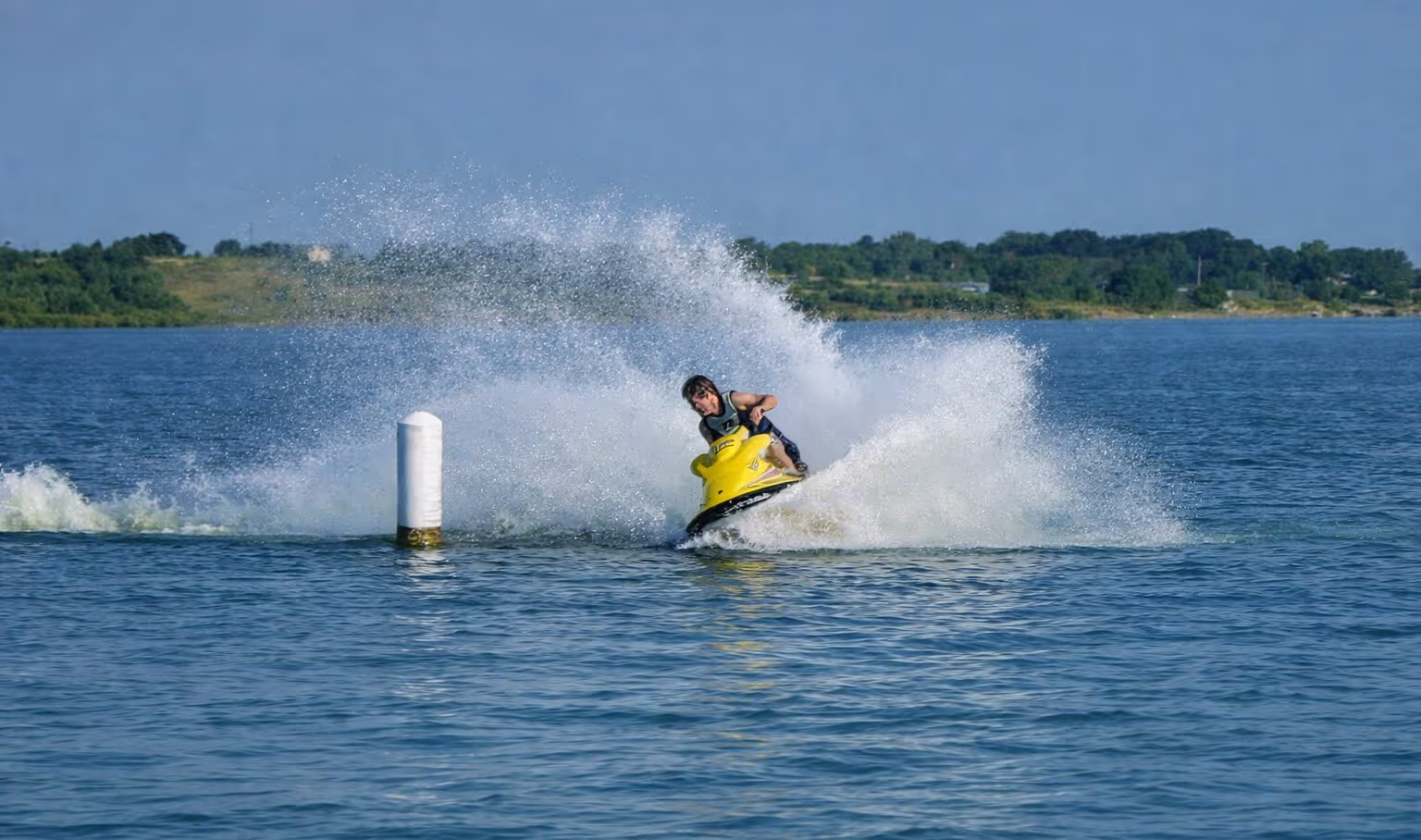
Cuting Brake
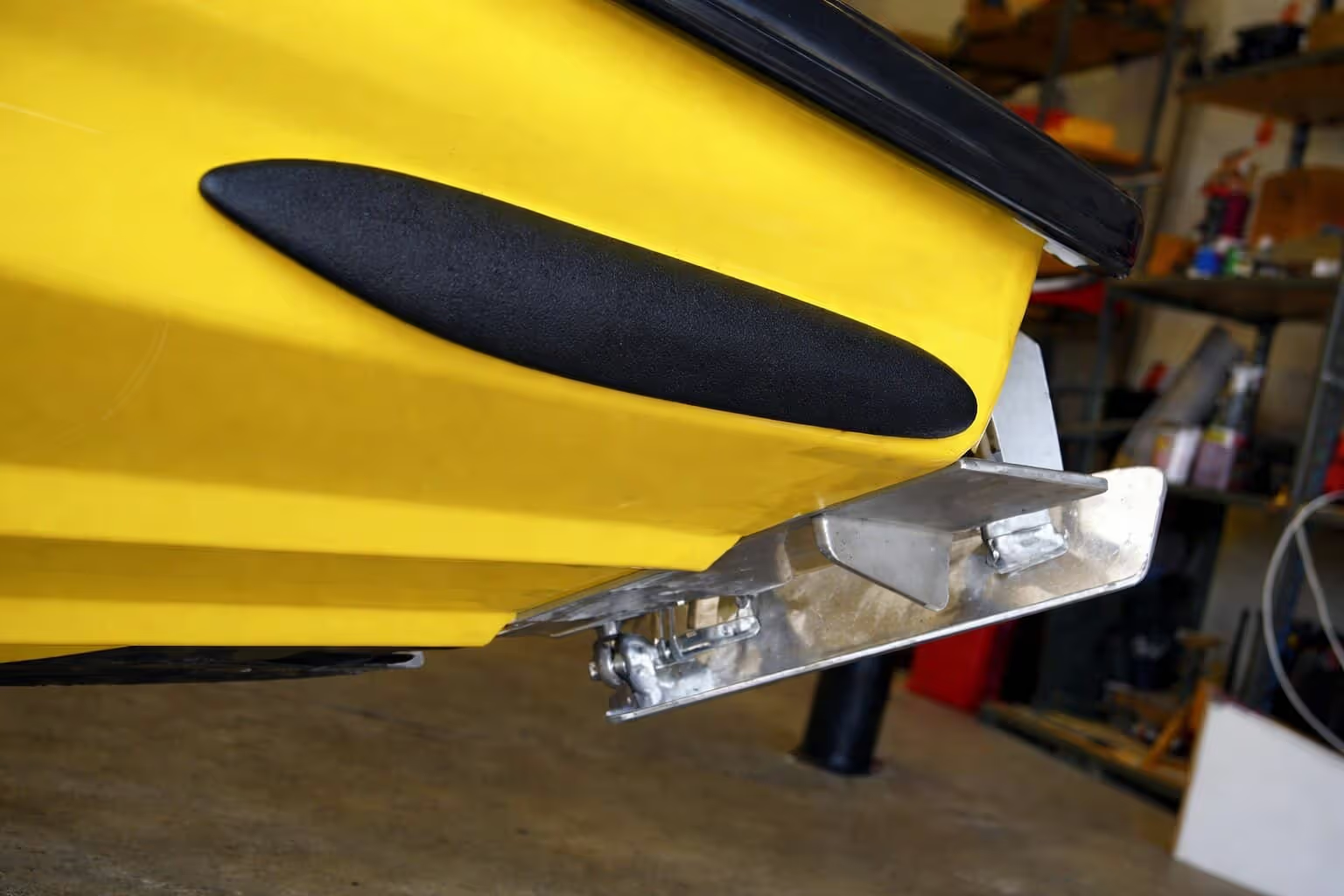
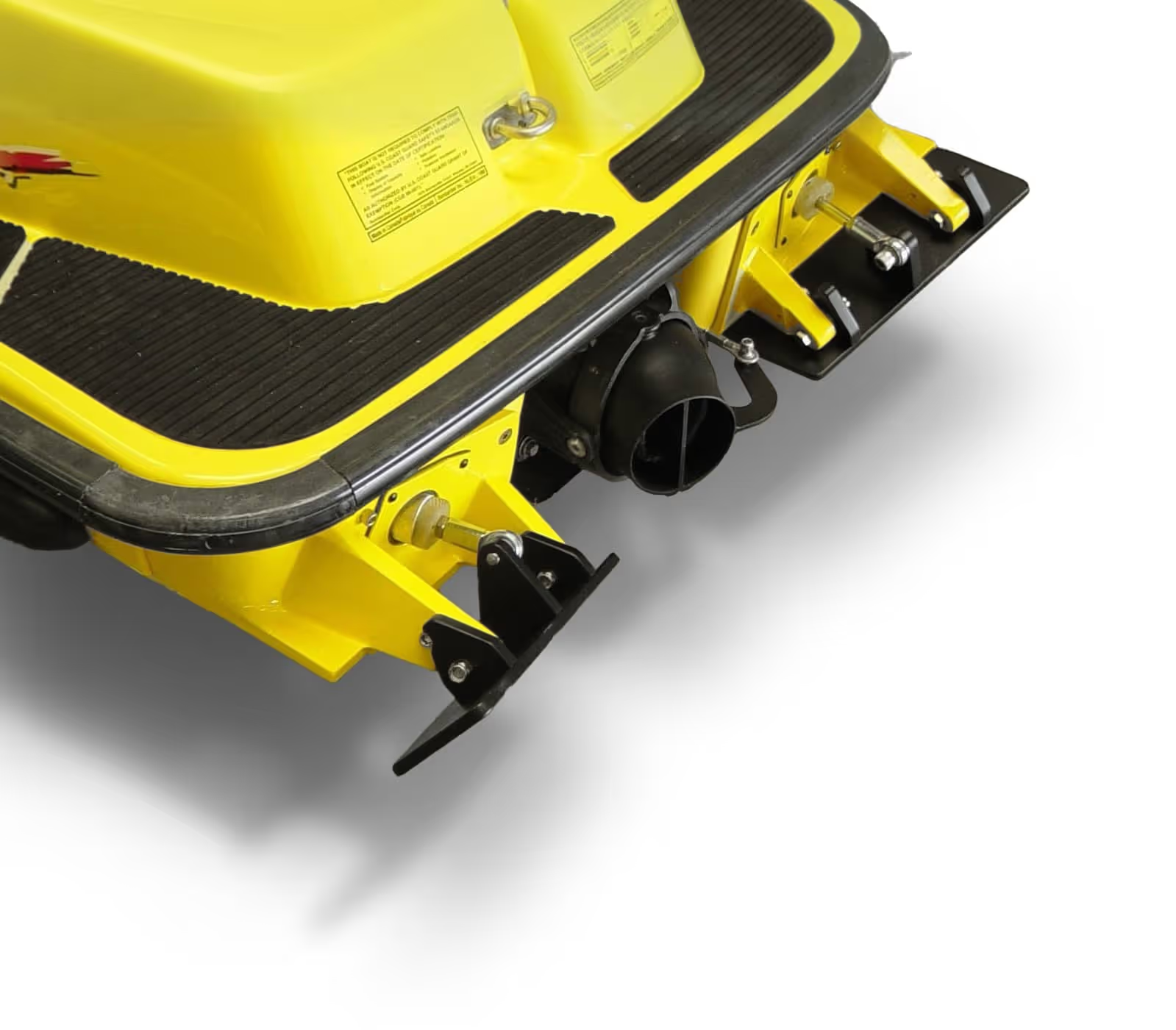
This invention addressed the problem of off-throttle steering in personal watercraft. Sit-down PWCs are propelled by a jet pump with a steerable nozzle. When the handlebars are turned, the nozzle redirects thrust to turn the craft. When the throttle is released, thrust is lost - and with it, steering control. Experienced riders compensate by maintaining throttle, but less experienced riders often instinctively let off the throttle when reacting to danger. This loss of steering contributed to many serious accidents. Carter and Sea-Doo filed patents at approximately the same time. Rather than enter a patent dispute, Carter chose to abandon the project. You can’t win ’em all.
Sand Dragster
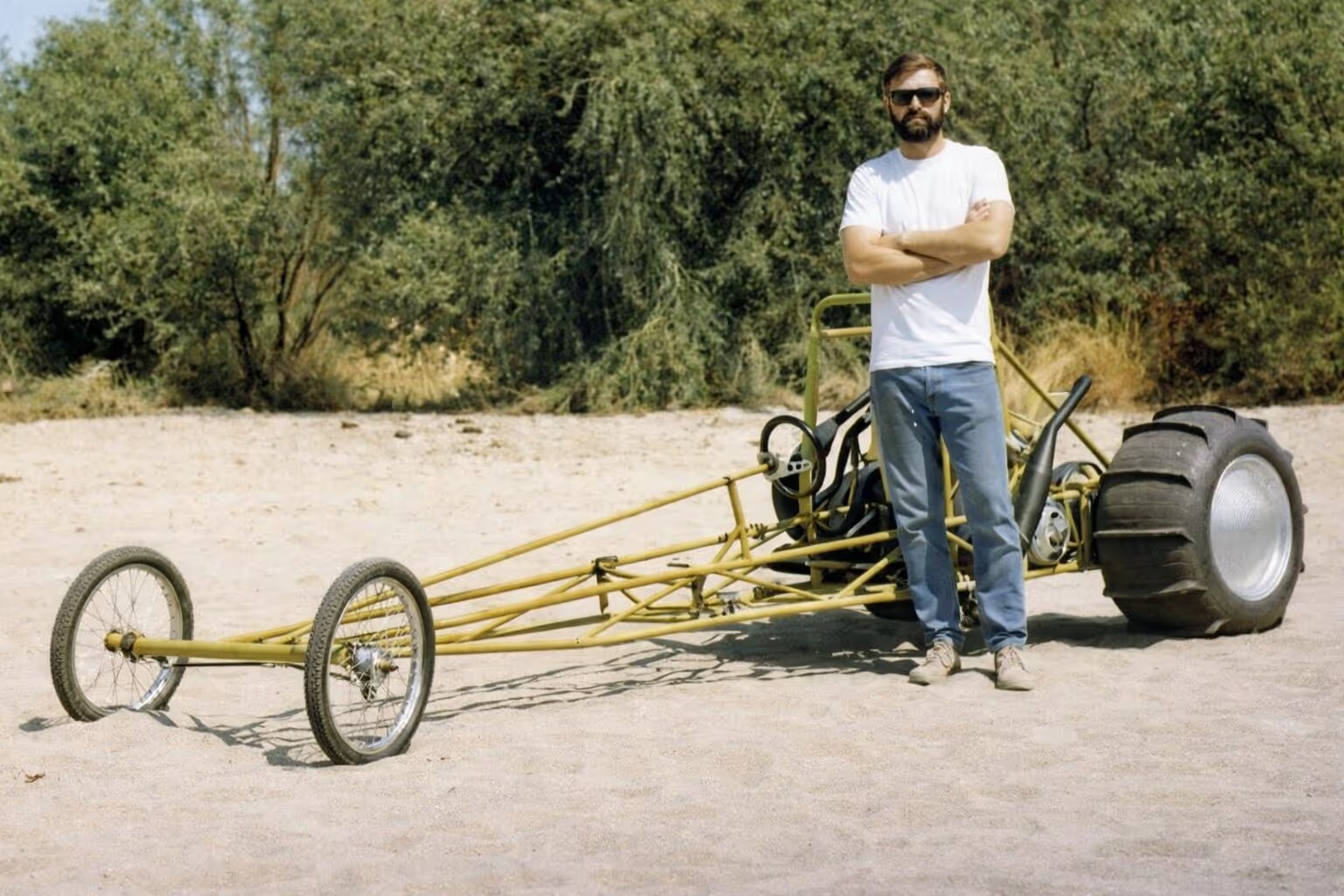
325 lb of purpose-built speed. Powered by an 800cc 2-cycle engine, this sand dragster raced in the 2200cc class - and never lost. In 100-yard, electronically timed sprints, it regularly hit 80–90 mph at the line.
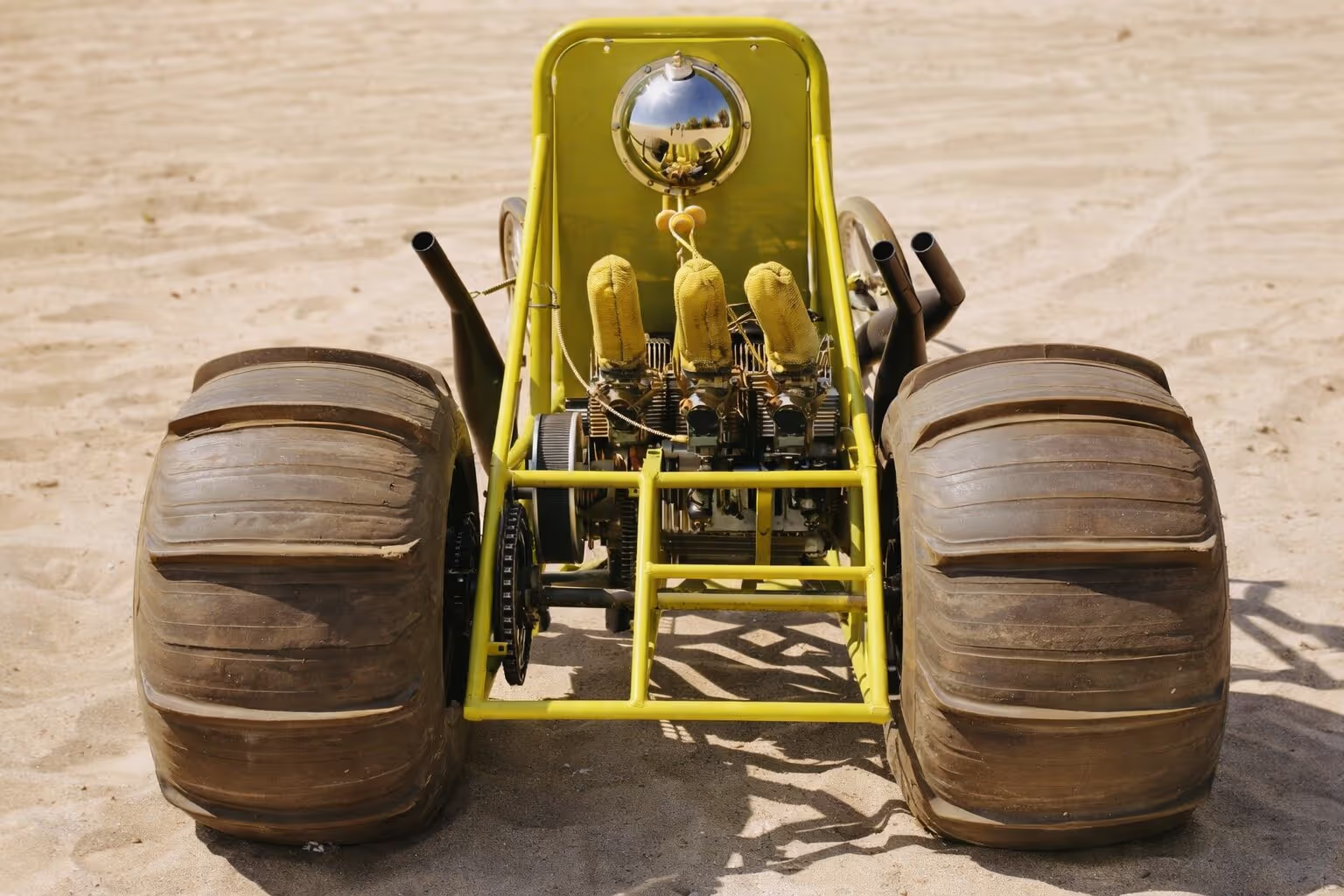
This vehicle was among the first to use paddle tires in competition. After demonstrating strong performance on heavy steel wheels, Carter developed lightweight composite alternatives. Using an aluminum wheel as a mold, he hand-laid inner and outer rims from fiberglass-reinforced polyester resin. The halves were bonded inside the tire, with the tire beads bonded directly to the wheel. One of the earliest known applications of structural composite wheel design.