
OPTESS
Optically Paired Tactical Engagement Simulation System (OPTESS).
A next-generation system for realistic military combat training.
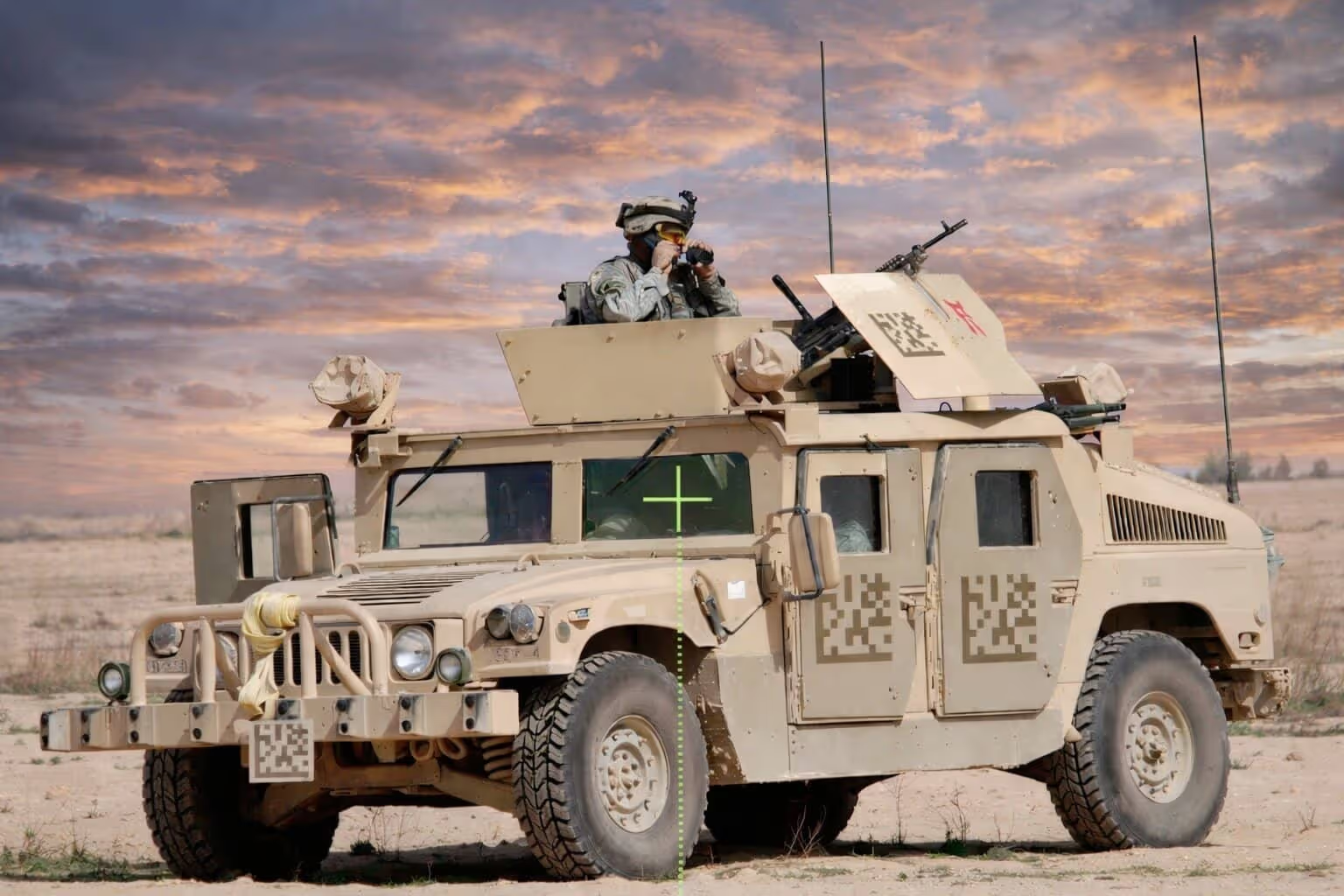
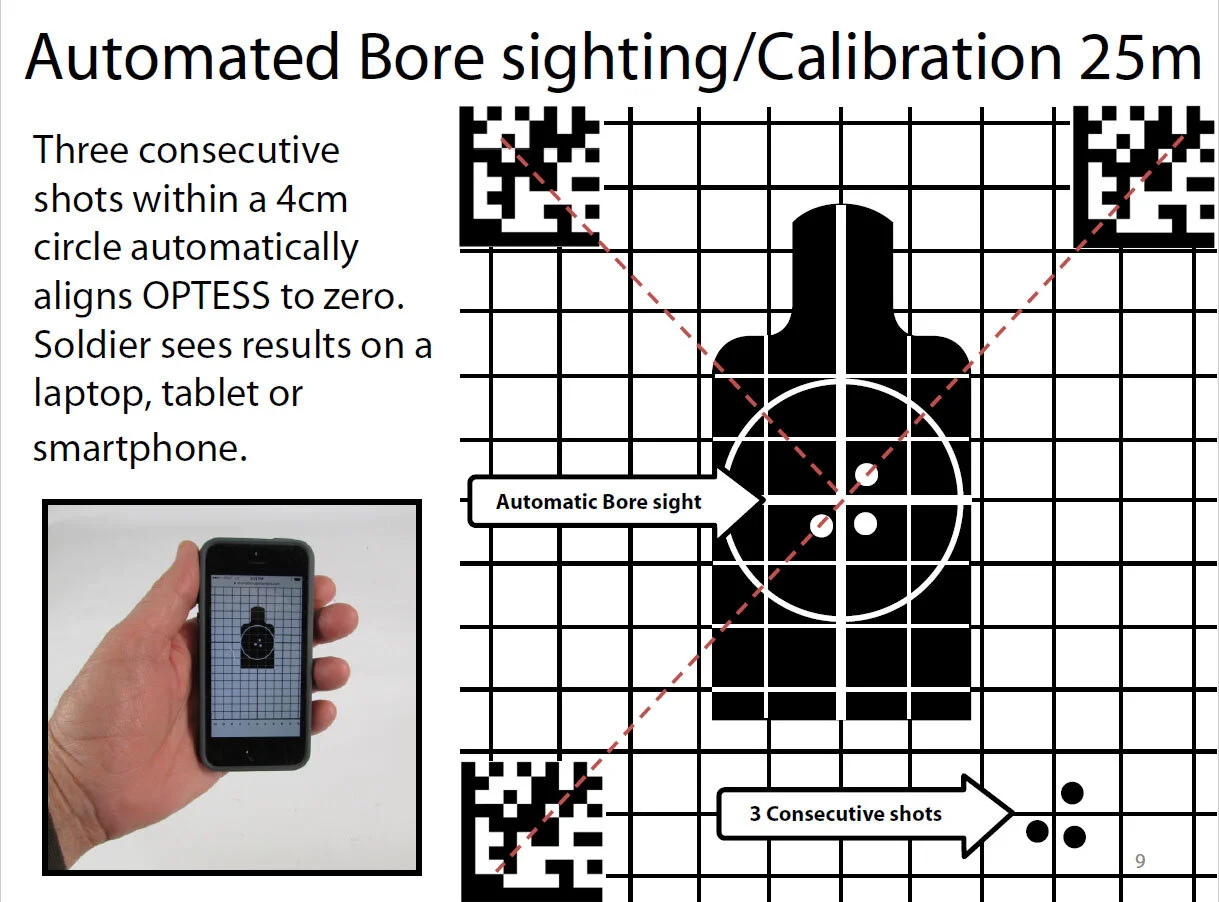
OPTESS advances beyond legacy systems such as Multiple Integrated Laser Engagement System (MILES) by shifting from laser-based simulation to shooter-adjudicated validation. Because laser systems cannot replicate bullet drop, penetration, or realistic engagement profiles, OPTESS instead uses a rifle-mounted optic with GPS and orientation sensing to capture each shot.
Computer vision evaluates the sight picture to confirm a valid target, then transmits the result through a central server with appropriate response instructions to the targeted soldier.
OPTESS simulates realistic bullet physics through optical systems and AI-driven computer vision.
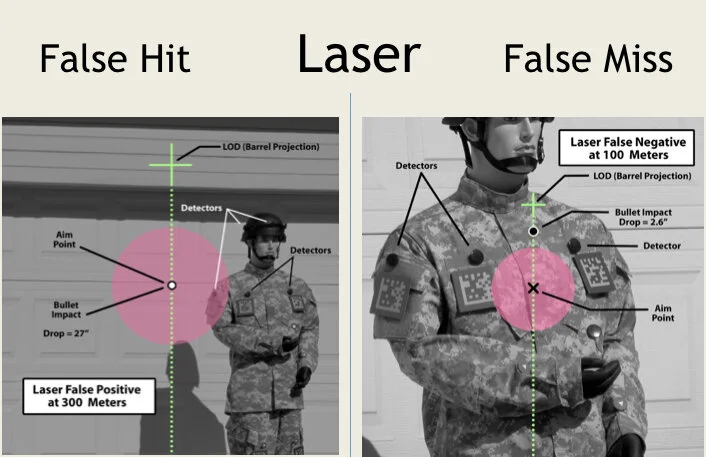
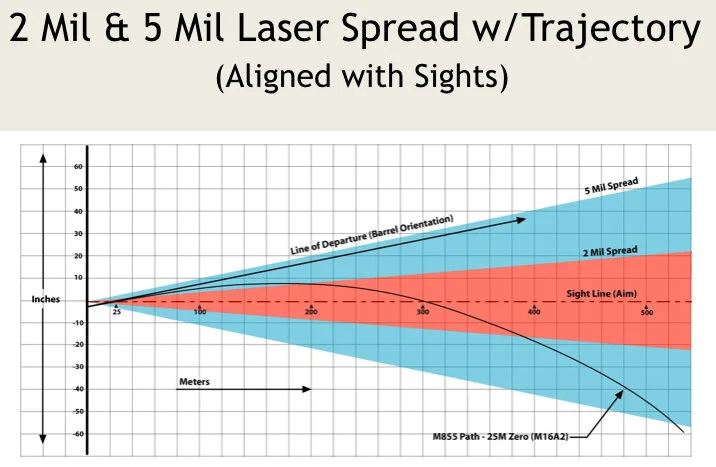
OPTESS corrects key MILES deficiencies:
- No ballistic drop modeling and no differentiation between concealment and cover.
- At extended range, MILES beam spread produces an effective hit area comparable to a basketball.
- These constraints introduce negative training and reduce simulation realism.
Smart Camera
OPTESS also enables a Smart Camera battlefield sensor.
Patent US 11,460,270
Smart Camera extends the same digital optic technology into live combat, enabling AI-assisted threat detection beyond human visual capability.
AI-assisted optics can detect:
- Hidden threats
- Camouflaged targets
- Spectral signatures outside human vision
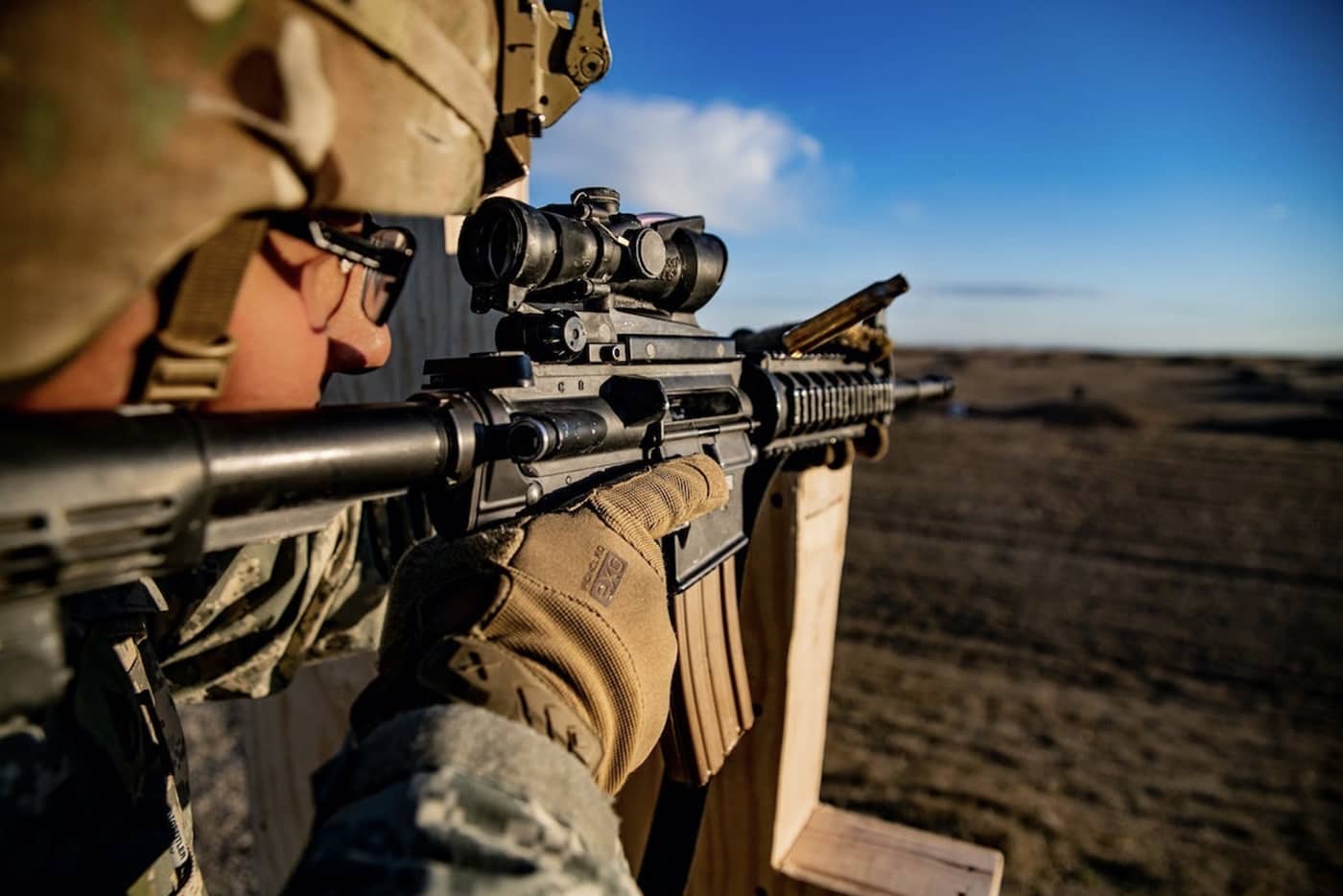
Enhancing coordinated unit tactical awareness.
In addition to rifle-mounted digital optics, Smart Cameras integrated on helmets and vehicles form a distributed sensing network. A central server maintains real-time positional awareness of all soldiers. Detected threat locations are shared across the network, and multi-sensor confirmation refines targeting accuracy. This network also serves as a critical safeguard against friendly fire.